The Essence of Riga: History, Architecture and Hidden Secrets of the Old Town
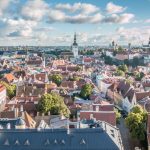
Riga, the capital city of Latvia, is steeped in a rich composite of world history, captivating architecture, and enigmatic secrets around corners. It subtlely reveals its centuries-old narratives and anecdotes to the discerning visitor with a proclivity for beautiful architecture and a taste for enigma. Starting from the heart of the city—the Old Town—one is poised to embark on a journey back in time in a landscape dotted with Gothic spires, ornate facades, and cobblestone streets.
An Age-Old Tapestry of Time
Riga’s Old Town’s history is a dynamic mosaic of ages, cultures, and influences, and every era has left a deep imprint. Founded during the medieval period, it saw the reigns of the Teutonic Knights, Swedish, Polish, and Russian rulers, each weaving their thread into the current tapestry.
Philosopher George Satayana wisely said, “Those who cannot remember the past are condemned to repeat it.” so a walk in the Old Town seems like stepping up to the page of a live history book. The majestic Riga Castle, first built in 1330 and later reconstructed various times, is a telling symbol of the city’s complex past. Now, it houses the President’s office and several museums.
Architectural Elegance: A Visual Treat
The architecture throughout Riga Old Town is fairly eclectic. Marvelous examples of Gothic architecture in the form of churches such as the grand Riga Dome Cathedral and St. Peter’s Church are unmissable landmarks. The House of the Blackheads, built in 14th century for trading merchants, is another architectural gem, embodying Dutch Mannerist influence in its intricate embellishments.
Arguably, what sets Riga apart on the global stage is its remarkable collection of Art Nouveau buildings, leading it to be dubbed the “Capital of Art Nouveau.” Exquisite floral motifs, grotesque masks, and sensuous femme fatale figures adorn the facades of luminous edifices, and are surely a feast for architecture admirers.
Hidden Corners: Discovering Untapped Mysteries
Quant charm and mystery go hand in hand in Riga Old Town. The delightful idiosyncrasies of the city are best discovered serendipitously, by getting lost in the labyrinthine cobblestone alleyways. For instance, the enigmatic Swedish Gate—said to be the only surviving city gate—doesn’t have any historical elaborations but is rife with legends and tantalizing spooky tales of ghost sightings.
Alternatively, if you are a seeker for eccentric, the enormous Cat House is an unexpected find. In early 20th century, the owner of this building gardaski, engaged in a feud with Great Guild, put two cat statues on the roof facing its backside defiantly towards the Guild.
Tasting Local Life
Absorbing the vibrant aura of Riga doesn’t end with architecture and history; experiencing local culinary and culture is an integral part of the exploration. Food stalls and local markets, filled with traditional Latvian culinary treats such as Riga Black Balsam or delicious rye bread, are the epicenter of the city’s charm.
Riga Old Town is brimming with a mystique that whispers its stories softly and draws travelers in its embrace. It’s a place where history, architecture and hidden corners converge to create a beautiful, harmonious symphony of the past. A visit to the heart of Riga feels like a time-warp journey through the centuries encapsulating not only a city but an era, a culture, a way of life that has thrived and flourished over time.